
Economy
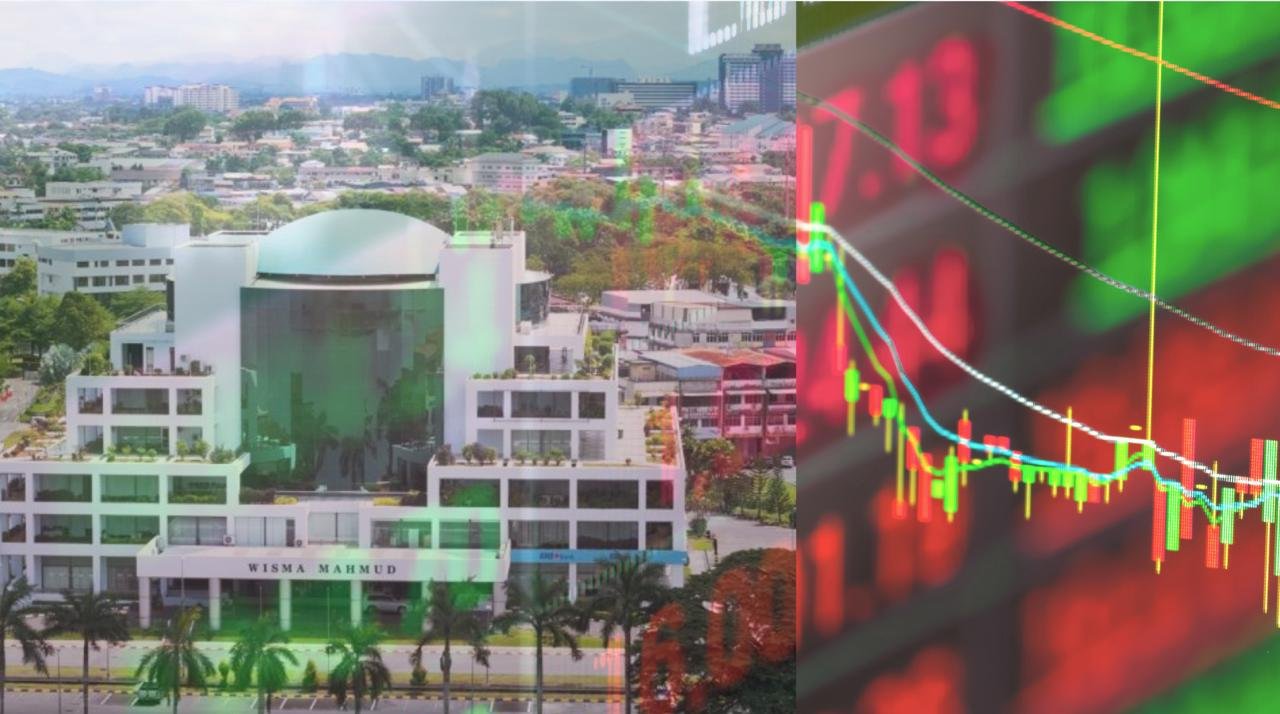
CMS Phosphate Plant: Is a delayed strategic project a public accountability issue?
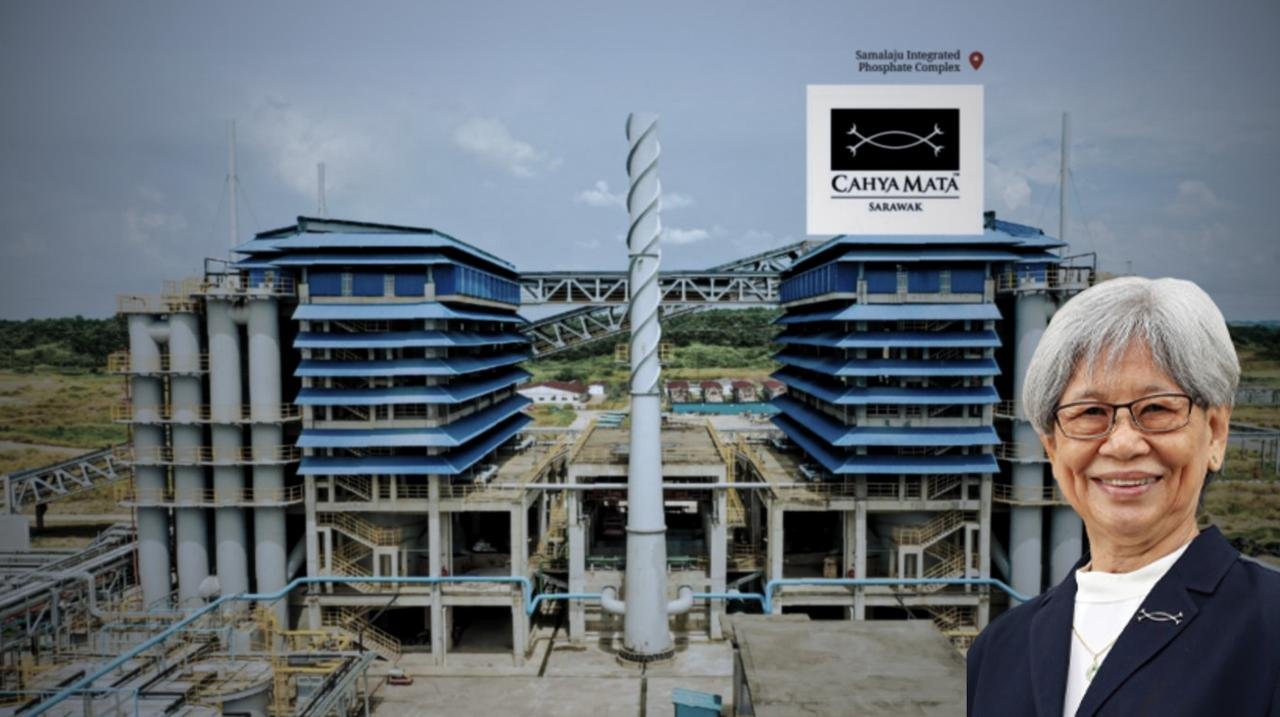
Kuala Lumpur: A review of publicly available information indicates that, the latest delay to Cahya Mata Sarawak Berhad’s long-awaited phosphate plant should prompt more than another revision to earnings forecasts. It should raise a broader question for the Ministry of Agriculture and Food Security: at what point does a strategic industrial project that has absorbed years of investment, repeatedly missed its delivery targets and involved exposure by government-linked investment institutions require formal public oversight?
The question is not whether the Government should run a private company. Rather, it is whether a project originally conceived as a major addition to Malaysia’s domestic industrial and food supply capacity has now reached a point where its performance, financing, management decisions and strategic rationale should be independently reviewed.
That case is strengthened by the nature of the project itself. The Samalaju phosphate plant was designed to supply phosphate for food manufacturing, animal feed, and fertilisers. In strategic terms, this places the project across several layers of national food security, including agricultural inputs, livestock production and food processing. Linked to the critical palm oil industry, which imports billions of dollars’ worth of fertiliser annually, the project becomes increasingly strategic.
Furthermore, the project is intertwined with public and state-backed balance sheets. Institutional shareholders in CMS have included Lembaga Tabung Haji, alongside Urusharta Jamaah—a special-purpose vehicle wholly owned by the Minister of Finance (Incorporated) that absorbed underperforming assets during Tabung Haji’s portfolio restructuring. While direct government outlays differ fundamentally from institutional equity holdings, the core governance principle remains identical, capital held in the public trust is directly exposed to the operational performance of this industrial asset.
This context frames an urgent policy consideration for Agriculture and Food Security Minister Datuk Seri Mohamad Sabu: should KPKM, in coordination with the Ministry of Finance (MOF), the Ministry of Investment, Trade and Industry (MITI), the Sarawak State Government, and relevant energy authorities, initiate a comprehensive, multi-agency review of the phosphate venture?
Such an inquiry would not presuppose failure. Instead, it would independently determine whether the facility remains commercially viable, quantify total cumulative capital deployment, identify the root causes of chronic project delays, test the validity of the original business case, and evaluate potential future capital calls required to achieve sustained commercial production. Crucially, it would also clarify whether CMS will publicly identify the engineering and construction contractors who have yet to deliver an operational plant.
The urgency of this intervention escalated following CMS’s latest deferral. In August, the company announced that the commercialisation of yellow phosphorus had been deferred from September to the fourth quarter of 2026 due to mechanical breakdowns encountered during testing and commissioning. Management explained that recommissioning an industrial asset of this magnitude generated unanticipated mechanical failures, necessitating further schedule extensions to establish operational stability.
This latest setback forms part of an established operational pattern.
Is the Group Capable of the Heavy Lifting Required?
A review of recent corporate disclosures outlines the group's financial trajectory. CMS reported RM751 million in cash and bank balances at the end of 2025, which contracted to RM507 million by the close of the first half of 2026. With total borrowings and lease liabilities recorded at RM390 million, the group's net cash position stood at approximately RM117 million. Under conventional conditions, this would represent a comfortable liquidity cushion.
However, this balance sheet must be weighed against looming financial contingencies. Malaysian Phosphate Ventures Sdn Bhd (MPV) is pursuing an order compelling CMS subsidiaries to acquire its equity stake for RM87 million. An arbitration award was granted in MPV’s favour, which CMS is actively challenging through the Malaysian court system. Simultaneously, a RM342 million claim brought by Sarawak Electricity Supply Corporation (SESCO) against the phosphate project remains unresolved, hanging over the group as a substantial contingent liability. These liabilities are exacerbated by an ongoing operational burn rate that continues to deplete cash reserves.
The project’s contractual timeline provides critical context. In 2013, CMS’s wholly owned unit, Samalaju Industries Sdn Bhd (SISB), entered into a joint-venture shareholders' agreement with MPV and Arif Enigma Sdn Bhd (AESB) to incorporate Malaysian Phosphate Additives (Sarawak) Sdn Bhd (MPAS), structured under an initial shareholding ratio of 40% (SISB), 40% (MPV), and 20% (AESB). CMS subsequently raised its equity stake, rebranding the entity as Cahya Mata Phosphates Industries Sdn Bhd (CMPI). In March 2026, the Asian International Arbitration Centre (AIAC) rendered a final award in favour of MPV against SISB and CMPI. CMS has since petitioned the High Court to set aside the award and secure an interim stay of execution, leaving the eventual balance-sheet impact on the phosphate entity unresolved.
In its March 2026 regulatory filing, CMS asserted that the award would have no material financial impact for FY2026, citing confidentiality restrictions surrounding the settlement terms. At the time, CMS commanded a market capitalisation of RM1.26 billion; the contested award represented over 7% of the entire company's equity value. Neither Bursa Malaysia nor the Securities Commission issued public inquiries or regulatory commentary regarding this assessment of materiality.
Closer inspection of the 1H2026 financial report reveals that earnings were supported by an inventory impairment reversal of RM13 million, constituting roughly 37% of profit after tax (PAT) for the period. This contribution did not stem from core operational revenue expansion or asset disposals, but from the reversal of an earlier accounting provision.
Such accounting treatments invite critique as mechanisms that adjust current earnings at the expense of earlier provisions. In response to these disclosures, institutional shareholders and board members have sought access to detailed accounting ledgers, culminating in formal litigation. Most notably, Dato Sri Mahmud Abu Bekir Taib, former deputy chairman and current non-executive director, has active suits pending before the High Court in Kuching regarding these matters.
As reported by The Borneo Post, Dato Sri Mahmud filed an originating summons in March 2025 in the High Court of Kuching seeking statutory inspection of CMS's books and operational records. The filing targeted CMS alongside five principal operating subsidiaries: Cahya Mata Phosphates Industries Sdn Bhd, Cahya Mata Cement Sdn Bhd, Oiltools International Sdn Bhd, Cahya Mata Oiltools Sdn Bhd, and Cahya Mata Professionals Sdn Bhd.
The application relies on Section 245(4) of the Companies Act 2016 (Act 777). While Section 245 mandates that a company maintain proper accounting records, subsection (4) establishes the absolute statutory right of a director to inspect those corporate records without hindrance.
This impasse presents two serious questions for the investing public: why is corporate leadership withholding operational and accounting documentation from a serving director and substantial shareholder, and who within the executive hierarchy sanctioned that denial? Furthermore, if CMPI ultimately lacks the resources to commission the complex, will the project be treated as "too big to fail," paving the way for an eventual state-backed rescue?
A Decade of Changing Deadlines
The phosphate venture has been marked by repeated schedule adjustments. Corporate filings document numerous revisions to the plant's development and commercialisation timetable.
CMPI carried accumulated losses of RM535 million as of 31 December 2025. Following an additional post-tax loss of RM45 million incurred during 1H2026, cumulative losses reached RM580 million by 30 June 2026.
The original corporate masterplan envisioned an integrated chemical processing facility entering production several years ago. By 2021, CMS formally disclosed that MPAS was failing to hit scheduled delivery milestones due to technical and commissioning bottlenecks, prompting an internal strategic review. The following year, similar commissioning obstacles persisted; although cold and hot testing commenced, commercial runs failed to materialize.
In July 2023, the asset suffered a major operational disruption when SESCO severed power supplies following a tariff and contractual dispute. The plant stood completely idle for more than two years before electrical supply was re-established in September 2025, enabling the resumption of trial runs. CMS subsequently guided that recommissioning would extend through the third quarter of 2026. By May 2026, management reaffirmed a September commercialisation target for yellow phosphorus. That milestone has now been deferred again into the fourth quarter.
The broader issue is not merely that an industrial project of this scale has run behind schedule. Complex manufacturing developments often encounter engineering bottlenecks. The critical question is whether a decade of cumulative postponements reflects systemic deficiencies across project execution, technical competence, contractor oversight, capital allocation, engineering operations, or the economic viability of the plant itself. Industry reports indicate that the plant's primary vulnerability may lie in human capital shortages and acute worker retention issues across all operational tiers.
Concurrently, independent financial assessments of the plant’s operating model have shifted significantly:
In 2022, MIDF Research projected the facility’s commercial breakeven at approximately USD2,500 per tonne.
By late 2025, Maybank Investment Bank revised its baseline model, projecting that the complex required an average selling price (ASP) of USD4,000 per tonne to achieve operational breakeven by 3Q2026.
By comparison, market spot prices for Chinese yellow phosphorus stood at USD3,616 per tonne on 3 September 2026, trading within an intraday band of USD3,593 to USD3,639 per tonne according to the Shanghai Metals Market.
The commercial viability of the facility depends on the margin spread between imported raw feedstock and the prevailing international market price of yellow phosphorus. Because Malaysia lacks proven commercial reserves of rock phosphate, the primary input must be fully imported. In June 2026, regional feedstock from Indonesia was quoted at approximately USD200 per tonne.
According to MIDF Research’s report (CMSB: Prospects Burning Bright with Phosphate, 26 October 2022), refining one tonne of yellow phosphorus consumes approximately 10 tonnes of rock phosphate, three tonnes of metallurgical coke, and one tonne of silica flux. Raw inputs constitute roughly 50% of operating cash costs, with electrical power representing another 30%. At an input cost of USD200 per tonne, rock phosphate alone accounts for nearly USD2,000 per finished tonne of yellow phosphorus.
Against an international market price of approximately USD3,600 per tonne, the facility is left with a gross margin of roughly USD1,600 per tonne to absorb metallurgical coke, silica, industrial electricity tariffs, technical labor, routine plant maintenance, and debt servicing before generating operating profit.
While MIDF’s 2022 model pegged the breakeven threshold at USD2,500 per tonne, some industry estimates indicate that under current raw-material and utility pricing, the facility’s actual breakeven cost has escalated to USD5,200 per tonne. This unit economics challenge is compounded by the lingering RM342 million electricity billing dispute with Sarawak Energy Berhad.
In Billion Dollar Whale, authors Tom Wright and Bradley Hope chronicled how a sovereign-linked investment vehicle became an epicenter of systemic financial failure, exposing institutional vulnerabilities and regulatory oversights. Observers in Kuching are now asking whether the phosphate venture represents a regional equivalent—prompting local commentary to label the facility an "Empurau mahal gilak" (an exorbitantly expensive local fish).
With cumulative losses, unhedged capital commitments, and disputed claims rapidly heading toward the RM1 billion threshold, the plant is approaching a critical financial boundary. Stakeholders and market regulators are left with two fundamental questions: who bears executive responsibility for these delivery failures, and does an operational path exist for the complex to generate sustainable commercial profits?
Can Management Actually Deliver?
This operational dilemma requires direct scrutiny. CMS attributed its latest deferral to unexpected mechanical breakdowns during the recommissioning of a long-idled facility. While such technical explanations may be valid, a decade of engineering delays and a prolonged two-year power outage entitle stakeholders to question whether executive management possesses the specialist chemical engineering and industrial project management capabilities required to operate this complex.
Cold and hot commissioning are materially distinct from steady-state commercial production. Success requires CMS to continuously produce yellow phosphorus and technical-grade phosphoric acid strictly within client specifications, at commercially viable run-rates, at targeted capacity utilization levels, and with binding off-take contracts. Achieving this relies on a deep base of technical specialists, engineering service contractors, and certified secondary industrial suppliers. Whether this operational ecosystem currently exists within Sarawak remains a pivotal question for any government-led inquiry.
This dynamic leads directly to another capital consideration: will CMS ultimately be forced to approach capital markets, existing retail shareholders, or government-linked institutional investors for additional equity to fund, stabilize, or commercialize the venture?
While the group's current balance-sheet reserves provide near-term flexibility, they do not resolve the broader long-term exposure should commissioning hurdles persist, commercial production face further deferral, or the plant operate below nameplate efficiency.
Will CMPI publish a comprehensive, independent financial model for market verification, given how significantly underlying operational metrics have shifted over the past ten years? Independent state and federal oversight may represent the only viable path to safeguard public, corporate, and regional interests.
The Case for an Independent Review
The appropriate response to this crisis is not another corporate press release promising a revised commissioning date, but the establishment of an independent inter-agency review:
· KPKM maintains direct authority to head an inquiry, as the complex’s output feeds into livestock rations, agricultural chemicals, and food-grade additives that directly impact national food resilience.
· MOF holds clear standing due to the equity exposure of public and government-linked institutional funds.
· MITI holds jurisdiction given the asset’s role in heavy industrial development, export substitution, and bilateral trade dynamics.
· The Sarawak State Government is fundamentally invested, as the plant represents a flagship heavy industry asset within the state’s regional industrial development corridors.
· State Energy Authorities, including Sarawak’s power distribution utilities, are vital stakeholders given that industrial power allocations and tariff agreements dictate the plant's operational viability.
The National Audit Department should likewise determine whether the asset, and the public investment portfolios exposed to it, warrant an immediate value-for-money and governance performance audit. The Auditor-General’s operating framework explicitly provides for the audit of government-linked corporate entities and their subsidiaries to ensure funds are allocated responsibly and programs adhere to intended public objectives.
The absence of direct fiscal grants from the federal budget does not absolve the project of public accountability. State capital is deployed to achieve strategic economic outcomes. When a strategic venture chronically fails to execute its commercial timetable, the public entities exposed to that risk are obligated to establish the operational causes and evaluate whether further capital exposure remains justified.
CMS may yet resolve these technical hurdles. If its mechanical issues are resolved, the complex could initiate commercial output during the fourth quarter of 2026, delivering the financial return promised to the market.
However, mechanical commissioning should not be mistaken for enduring commercial viability. The test remains the plant's capacity to maintain continuous production runs, place inventory at scale, generate positive free cash flow, and generate returns on sunk capital. The fundamental question is no longer simply when the plant will start turning its wheels.
Following a decade of schedule revisions, recurring engineering setbacks, and an extended two-year power suspension, a clear case exists for an independent, public-interest assessment of whether the facility remains technically viable, what capital reserves are required to sustain it, and who bears accountability if it fails to deliver.
For KPKM, the scope extends well beyond CMS. It centers on whether domestic phosphate production can tangibly support Malaysia's agricultural security and industrial resilience, or whether an initiative originally presented as a strategic national project has turned into an open-ended capital absorption vehicle lacking independent verification.
While future corporate filings will likely focus on targeted production dates, the more significant disclosure must come from regulatory authorities detailing who is reviewing this complex, how much capital has been absorbed, what went wrong, and what operational contingency plans exist if commercial production fails to materialize.
The Governance Challenges Facing Management
These chronic delays expose deep corporate governance concerns. Do these compounding issues place the Group Audit Committee and corporate finance leadership under regulatory scrutiny? Public disclosures show that global accounting firm Ernst & Young (EY) has served as external auditor for more than 30 consecutive years. While not unlawful under Malaysian corporate legislation, this unbroken tenure runs contrary to contemporary corporate governance best practices regarding audit rotation. While extended audit tenures preserve institutional memory that can assist external forensic reviews, prolonged familiarity poses independence challenges that should have been evaluated by executive management and internal audit leadership on behalf of minority shareholders.
Attention also falls on Gee Siew Yoong, an Independent Non-Executive Director of CMS. Gee concurrently serves as Chairman of the Group Audit Committee, sits on the Board Sustainability Committee, acts as the Non-Executive Chairman of Cahya Mata Phosphates Industries Sdn Bhd, and sits on the board of Cahya Mata Cement Sdn Bhd. These overlapping responsibilities across operational subsidiaries and oversight committees raise questions regarding the segregation of duties and the independence of internal board reporting.
A notable transaction emerged in CMPI’s FY2023 audited financial reports. Disclosures revealed a significant board-approved accounting adjustment: the blanket write-off of approximately RM52 million in advance mobilization payments previously disbursed to contractors. To date, this write-off has drawn minimal inquiry from statutory auditors or market regulators. The company has refrained from publicly detailing the recipient contractors, the contractual scope of the lost advances, or the legal recourse pursued to recover what stands as one of the largest corporate contractor write-offs in recent domestic corporate history.
A Sustainable Future Requires Hard Decisions Now
CMS's core cement division has emerged as the group's primary profit center, carrying corporate earnings via RM329 million in revenue and RM80 million in pre-tax earnings during the first six months of 2026 alone. The cement business currently generates higher net operating profits than the rest of the consolidated group combined, including the listed holding company. Despite this operational outperformance, the phosphate venture remains the primary variable dictating the long-term solvency and profitability of CMS.
The group’s earnings per share (EPS) did register an accounting increase of over 200%, rising from 1.3 sen in 1H2025 to 4.3 sen in 1H2026. Coming alongside RHB’s recent issuance of structured cash warrants over CMS shares, this earnings expansion has generated speculative trading interest. However, this figure remains sharply below the 26.73 sen basic EPS delivered in FY2022.
Market participants must evaluate the granular line items within the 1H2026 results rather than relying on headline earnings. Following Maybank Investment Bank's downgrade of CMS shares from "Buy" to "Hold," and with Prime Minister Anwar Ibrahim signaling that ongoing investigations into Tabung Haji-related transactions are not limited strictly to the timeframe evaluated by the past Royal Commission of Inquiry (RCI), the regulatory landscape is shifting rapidly. The time has arrived for federal and state ministries to institute formal oversight over the phosphate project before these unresolved liabilities escalate beyond remedy.
What's your reaction?
0

AWESOME!
0

LOVED
0

NICE
0

LOL
0

FUNNY
0

EW!
0

OMG!
0

FAIL!
Popular News

Recent News
Comments
Leave a Reply